No SaaS toll on your sales
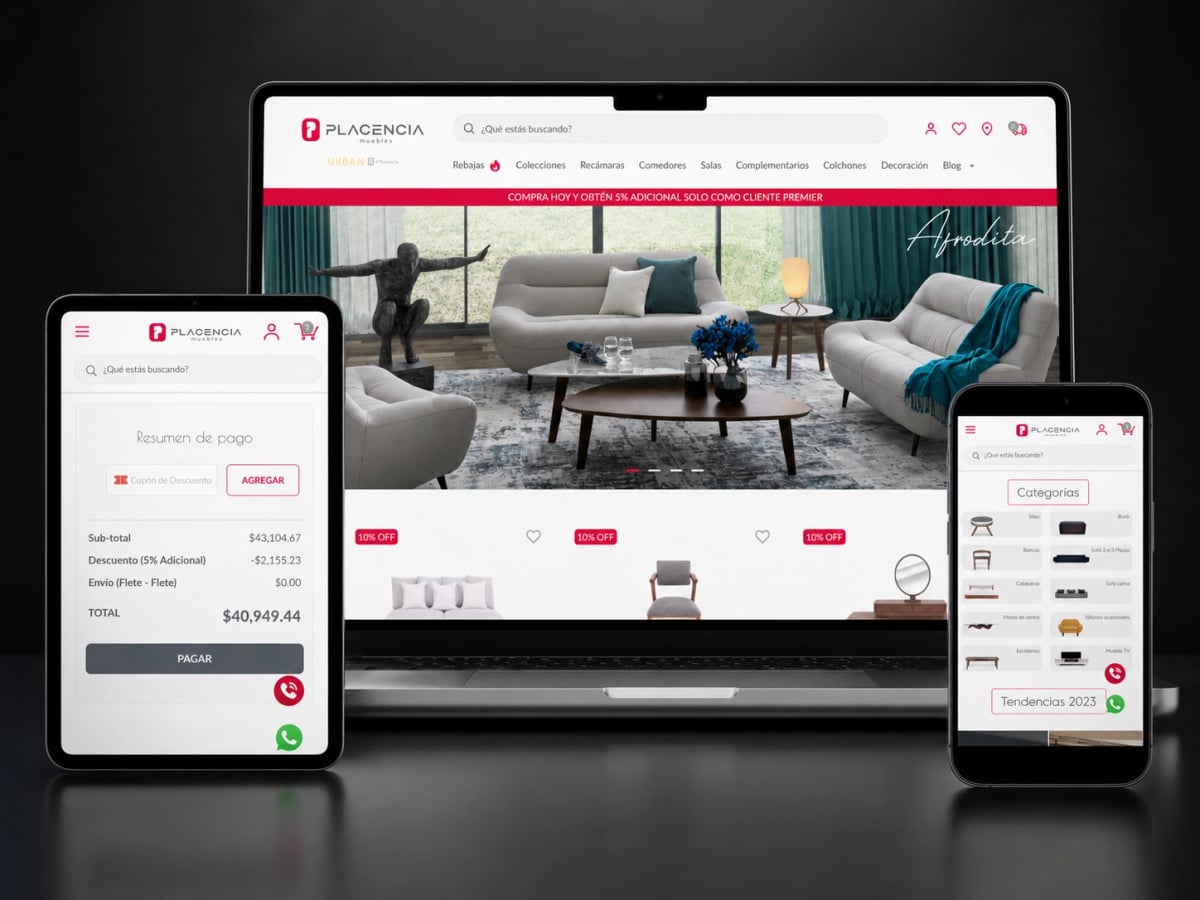
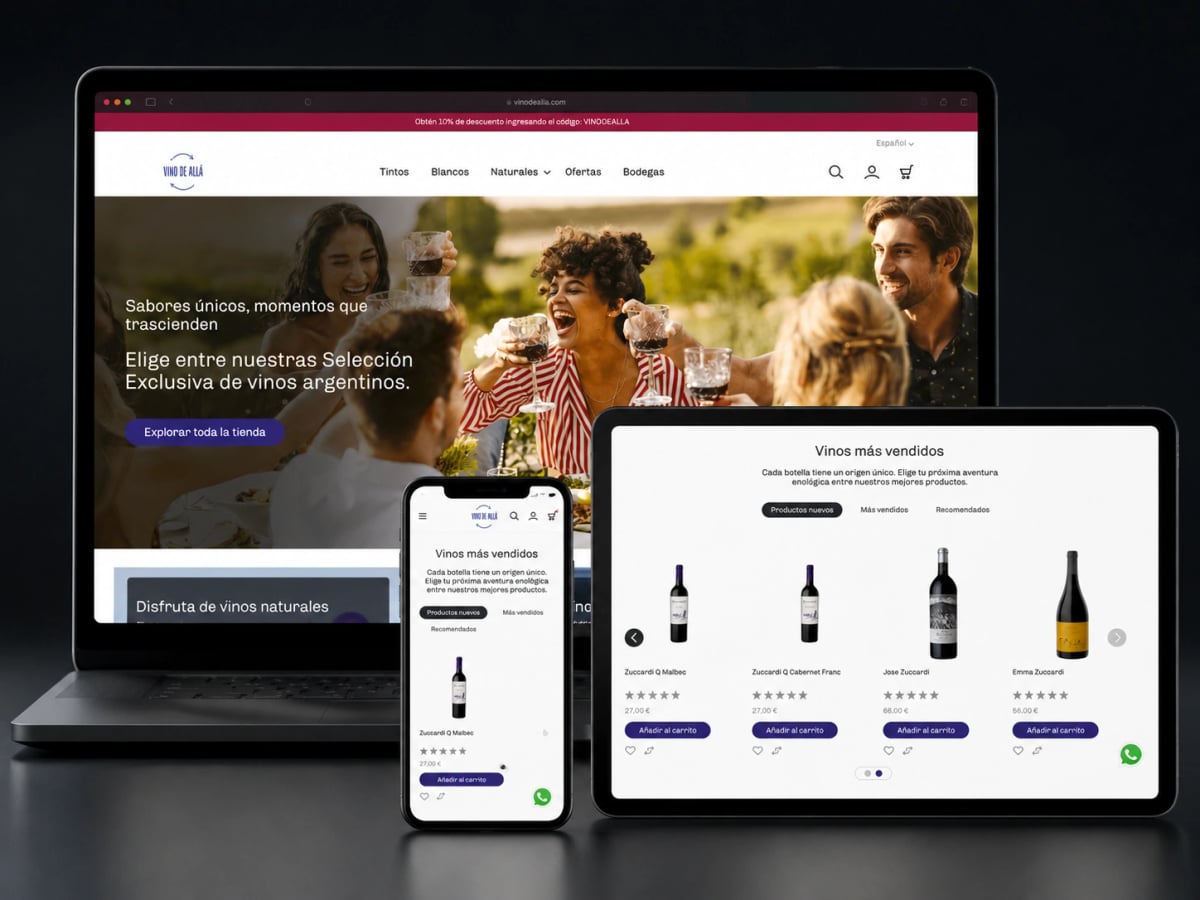
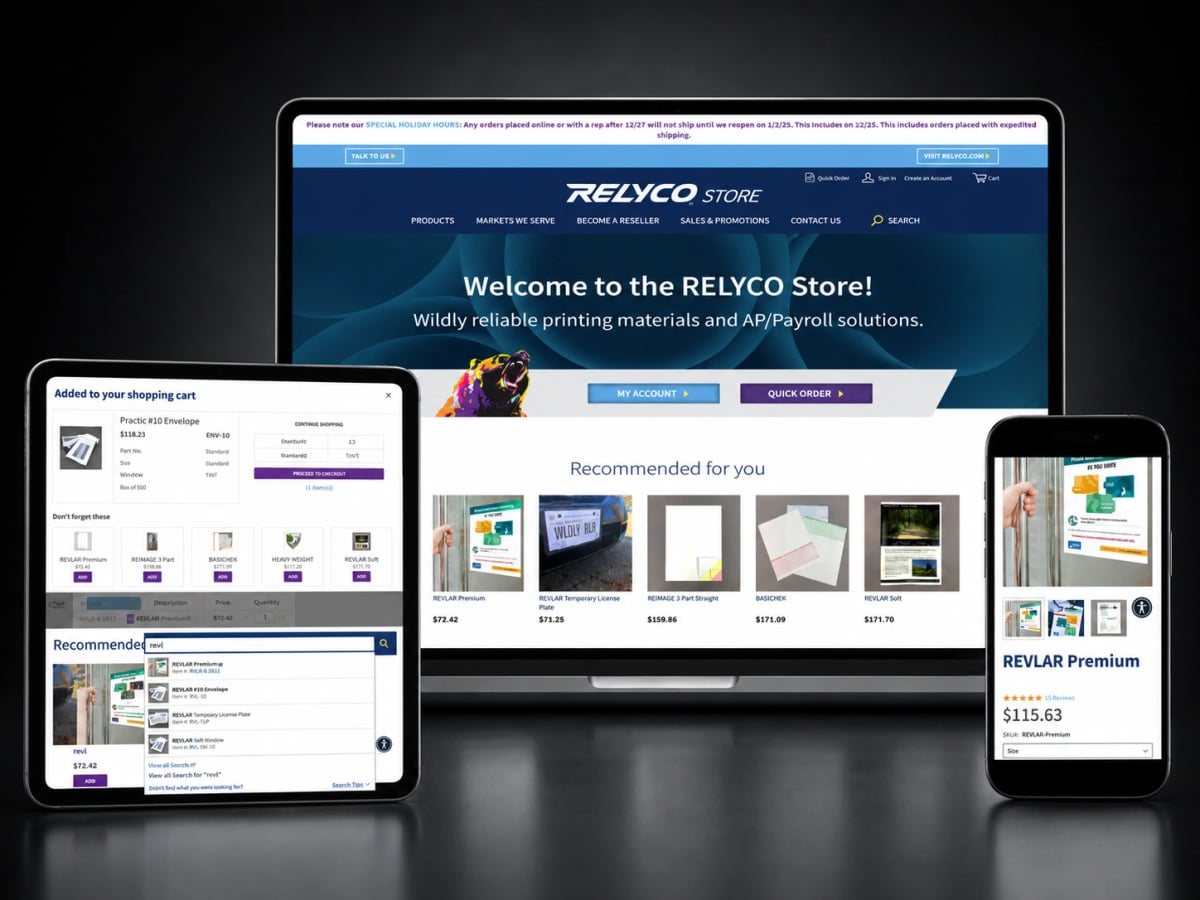
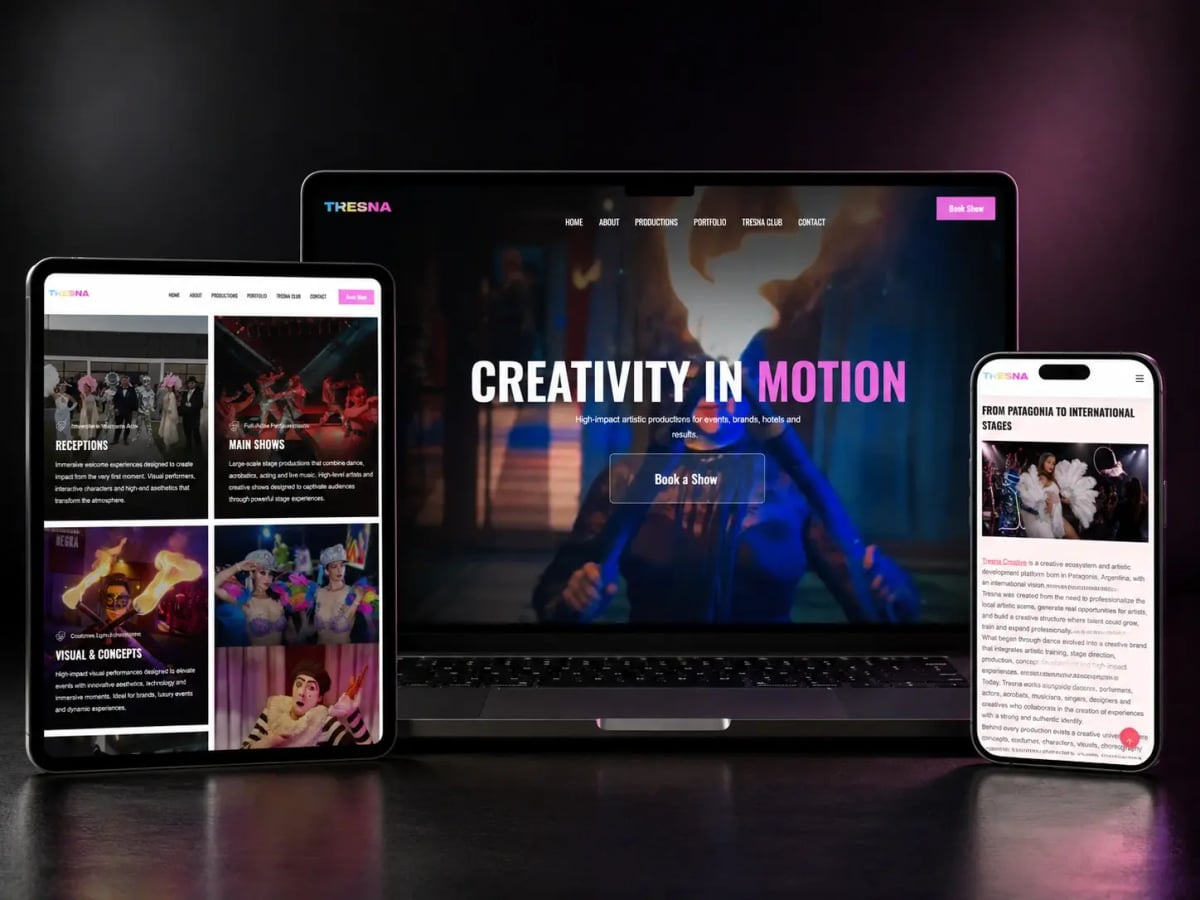
You pay for hosting and development, not a monthly platform fee plus transaction percentages. As volume grows, the ownership model usually wins on total cost.
WooCommerce Development Services
We design and scale high-performance WooCommerce stores: frictionless checkout, fast load times, and custom integrations built to drive revenue.

CWV
Core Web Vitals
as measurable targets
PAY
Checkout &
payment gateways
API
ERP, CRM &
shipping integrations
SUP
Maintenance &
ongoing support
Why WooCommerce
WooCommerce powers millions of stores because it combines WordPress content with full commerce control: no platform lock-in, no percentage of your sales, and an ecosystem for almost any requirement.
You pay for hosting and development, not a monthly platform fee plus transaction percentages. As volume grows, the ownership model usually wins on total cost.
WordPress is still the strongest content engine. WooCommerce lets you run editorial, SEO and the product catalog in one place, with no duct tape between a blog and a shop.
Custom product types, pricing rules, subscriptions, memberships and B2B flows are all achievable with the WooCommerce plugin ecosystem or targeted custom code.
WooCommerce is a strong choice for catalog-driven brands with content ambitions. If you need enterprise merchandising out of the box, we will tell you honestly and point to alternatives.
What hurts WooCommerce stores
Slow product and category pages caused by plugin sprawl, heavy themes, or hosting that was never sized for a store.
A checkout with too many steps, surprise costs, or unstable payment configuration, losing the sale after the customer already chose to buy.
Inventory, orders and customers spread across systems that don't talk to each other, so operations run on manual exports.
Updates that keep getting postponed, with plugins falling behind and a store that gets harder to keep current.
No clean SEO architecture for categories, products and content, so the store depends entirely on paid traffic.
Traffic that doesn't convert because product pages, trust signals and calls to action were never designed for buying decisions.
WooCommerce services
We cover the full WooCommerce development lifecycle: new builds, redesigns, custom features, integrations, performance work and long-term maintenance.
WooCommerce stores designed and built around your catalog, brand and buying flow, not a stock theme with your logo on it.
Streamlined checkout with the right payment mix for your market: Stripe, PayPal, Redsys, Mercado Pago and local methods, configured and tested end to end.
When the ecosystem doesn't cover your requirement, we build targeted, update-safe plugins instead of stacking more third-party ones.
Orders, stock and customers synced with your ERP, CRM, email marketing and shipping carriers, so the store fits your operation instead of fighting it.
Caching, image and code optimization, and database cleanup aimed at explicit Core Web Vitals targets: measured, not guessed.
Updates, backups, monitoring and iterative improvements so WooCommerce stays fast, secure and stable while you focus on selling.
Headless WooCommerce
Headless WooCommerce separates the storefront from the backend: WooCommerce keeps managing products, orders and payments, while a Next.js frontend delivers app-like speed, modern UX and stronger Core Web Vitals than most themes can reach.
Server-rendered React storefront with instant navigation, optimized images and edge caching, connected to WooCommerce via the Store API or GraphQL.
Your team keeps the familiar WooCommerce and WordPress admin for products, content and orders. Only the customer-facing layer changes.
Headless pays off when speed, custom UX or multi-channel delivery justify a bigger build. For many stores a well-built theme is the right call, and we will tell you which one you need.
Built to 2026 standards
The platform has moved fast: order storage, checkout and theming all changed. We build on the current standards, not on 2019 habits.
High-Performance Order Storage instead of legacy post tables: faster order queries and admin at scale, with plugin compatibility audited before switching.
WooCommerce Cart and Checkout Blocks where they fit, customized for fewer fields and fewer abandoned carts.
Block themes and Full Site Editing where appropriate, so marketing can edit layouts without a developer ticket.
We build toward explicit thresholds (LCP under 2.5s, INP under 200ms, CLS under 0.1) and verify them on real product and category pages.
Stripe, PayPal, and regional gateways like Redsys or Mercado Pago, with taxes and invoicing configured correctly for where you sell.
Hardened admin, least-privilege access, staging-first updates and backups: keeping the store current is routine, not a gamble.
Clean category and product architecture, metadata, and Product schema so the store is legible to Google and to AI shopping surfaces.
GA4 ecommerce events, conversion tracking and consent handling wired in from launch, so decisions run on data.
Migrate to WooCommerce
We migrate with a proven plan: your data complete, your SEO rankings intact, and a checkout that works from day one.
For brands that outgrew subscription costs or need content and customization Shopify makes hard. Products, customers and order history migrated with SEO redirects mapped.
A frequent move in Spanish-speaking markets: modern WooCommerce with a familiar admin, leaving an aging module stack behind.
When Magento maintenance outweighs its benefits for your catalog size, WooCommerce can cut operating cost dramatically. We work with Magento daily, so we know exactly what maps where.
For stores that started on a site builder and hit its commerce ceiling: real catalog structure, real checkout control, real SEO.
Evaluating other directions too? We also handle Magento to Shopify migrations.
Hosting for WooCommerce
WooCommerce performance depends on infrastructure as much as code: PHP workers, object caching, database tuning and headroom for campaign spikes. Generic shared hosting undoes the work of a good build.
We run managed, WooCommerce-ready hosting with backups, updates and technical oversight, sized for sales traffic and not just for uptime.
Performance headroom for launches, campaigns and seasonal peaks, when slow pages cost the most.
Backups, monitoring and staging environments so updates and experiments never gamble with the live store.
Cache and database tuned at the server level: consistent performance from catalog to checkout.
Hosting and development on the same team: a single point of contact and faster answers when anything comes up.
Why OH Digital
WooCommerce is one platform inside our wider ecommerce practice. See how we work as an ecommerce agency.
We spend our days inside stores across Magento, Shopify and WooCommerce, working on catalogs, checkouts, payments and integrations. That context shapes every WooCommerce decision we make.
Proposals with defined scope and price, phased deliveries, and direct communication throughout the project.
We deliver in English and Spanish with a senior boutique team: direct access to the people doing the work, not an account-manager relay.
Case Studies & Portfolio
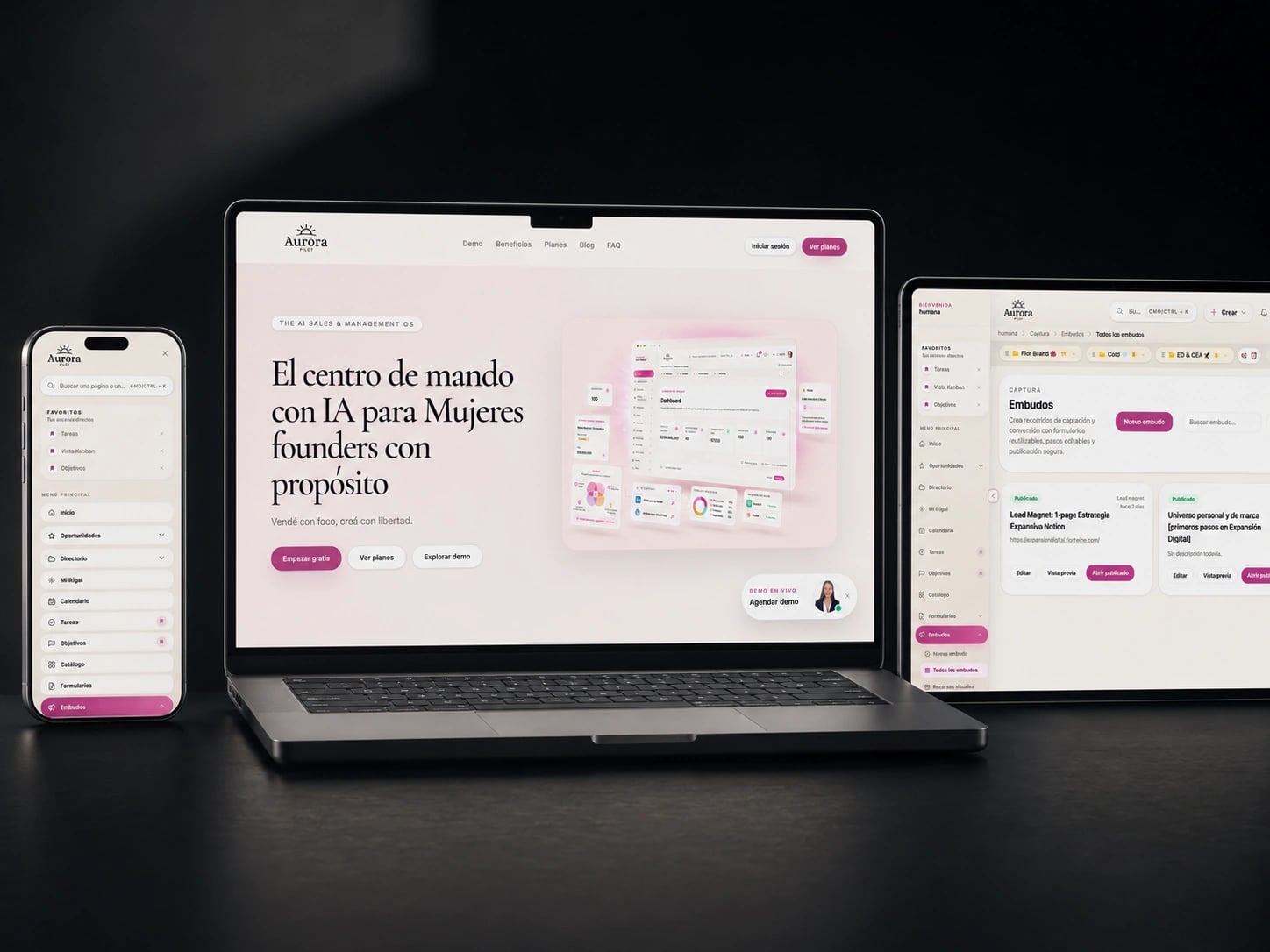
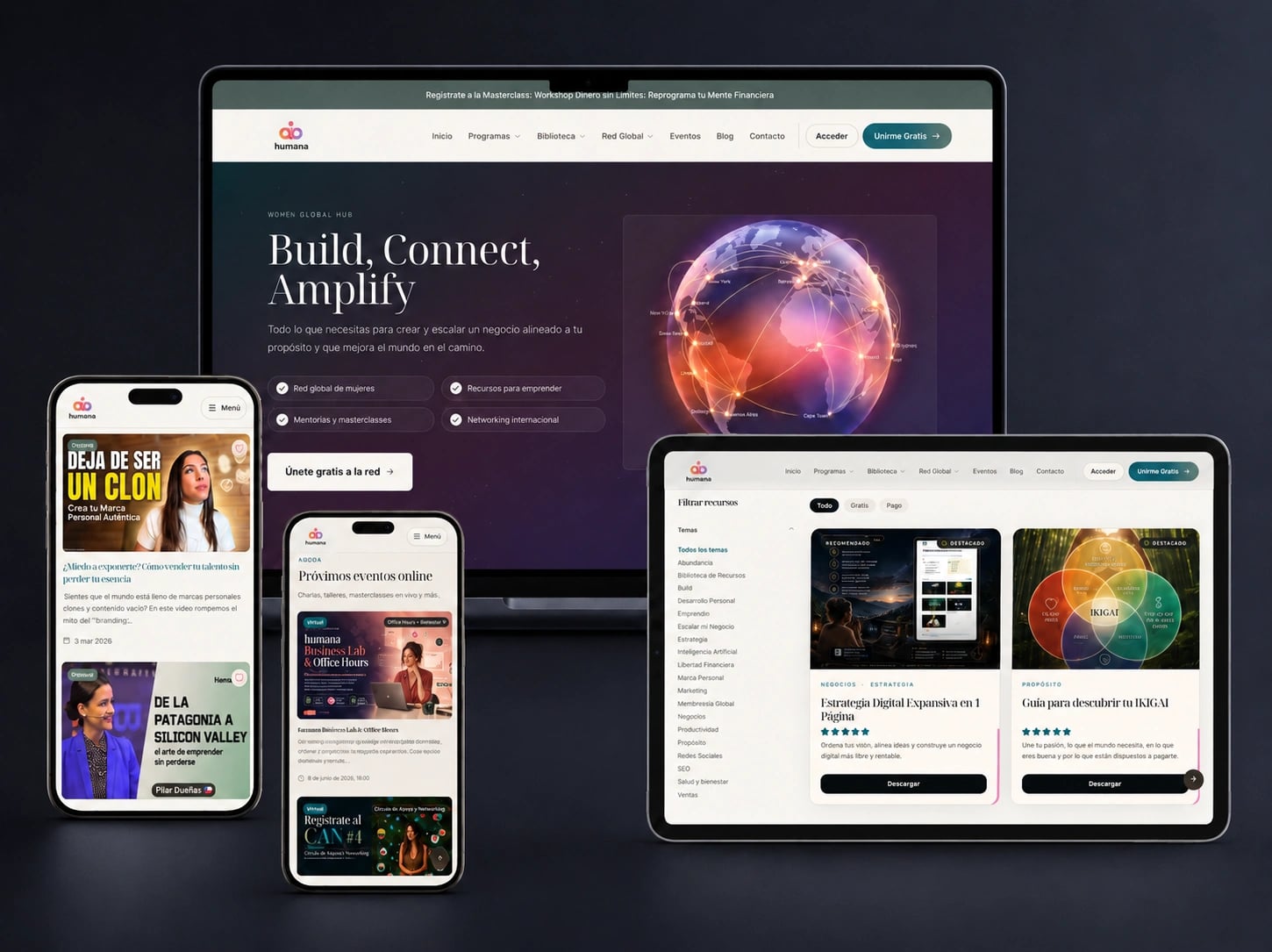
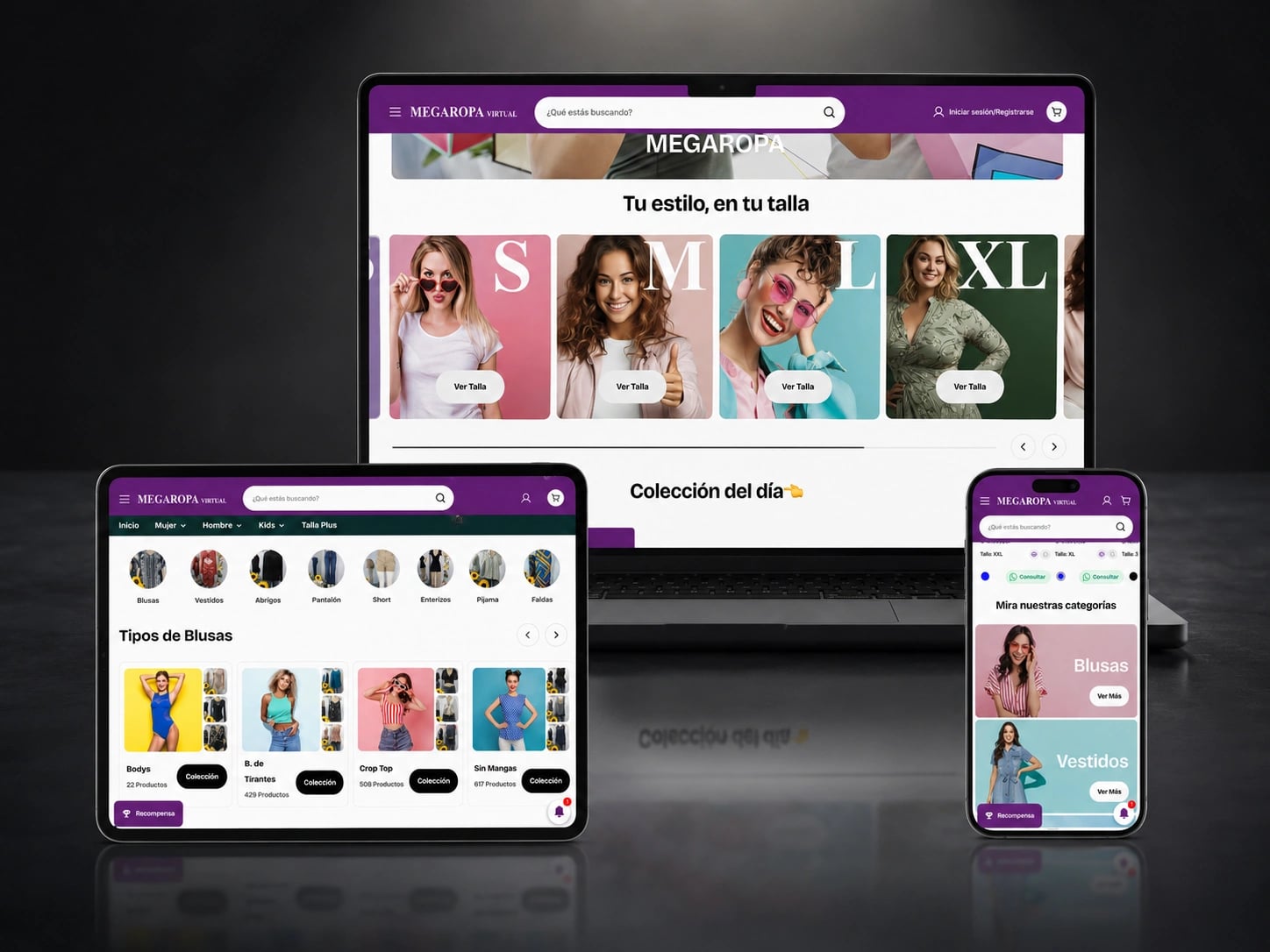
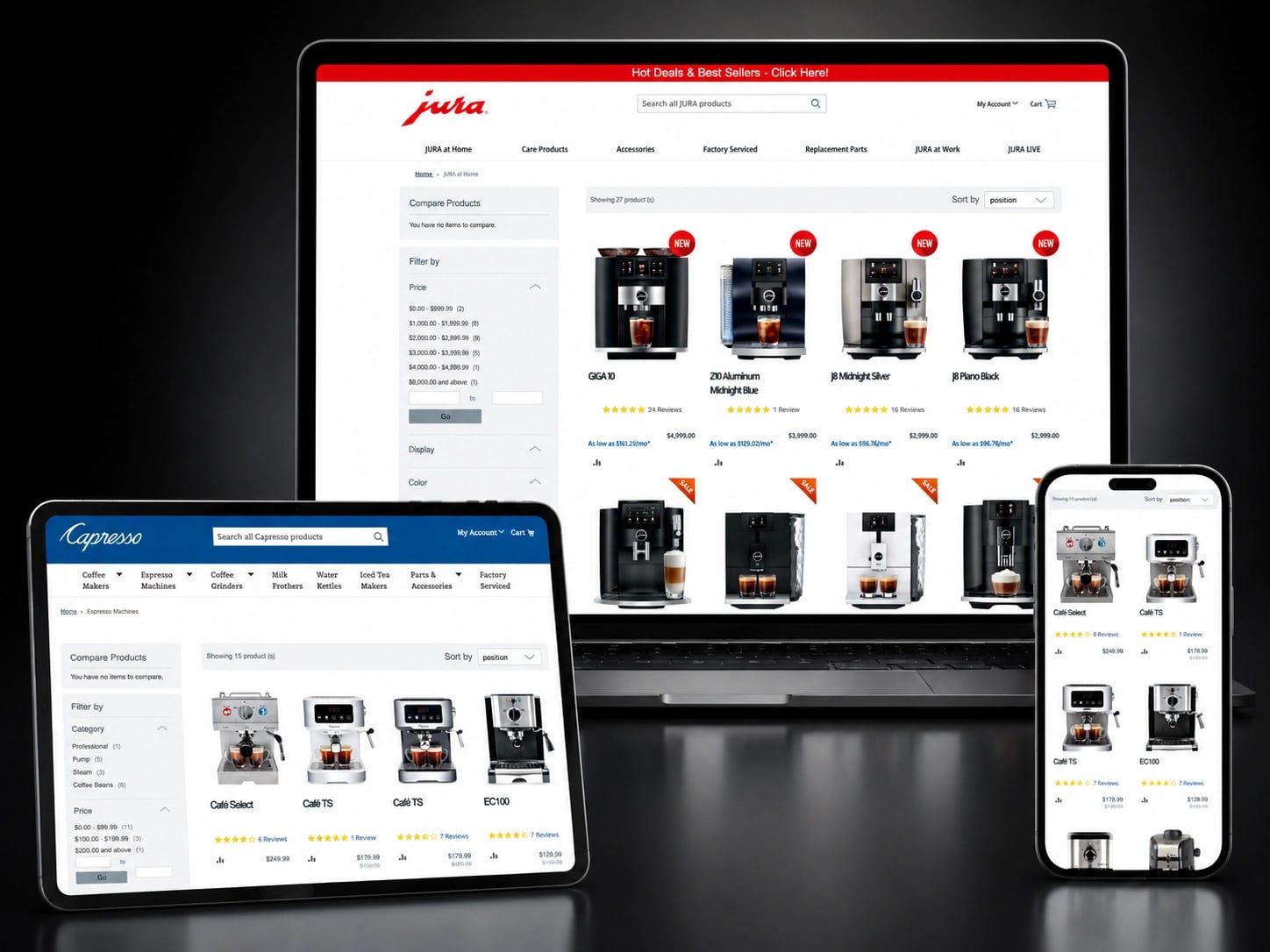
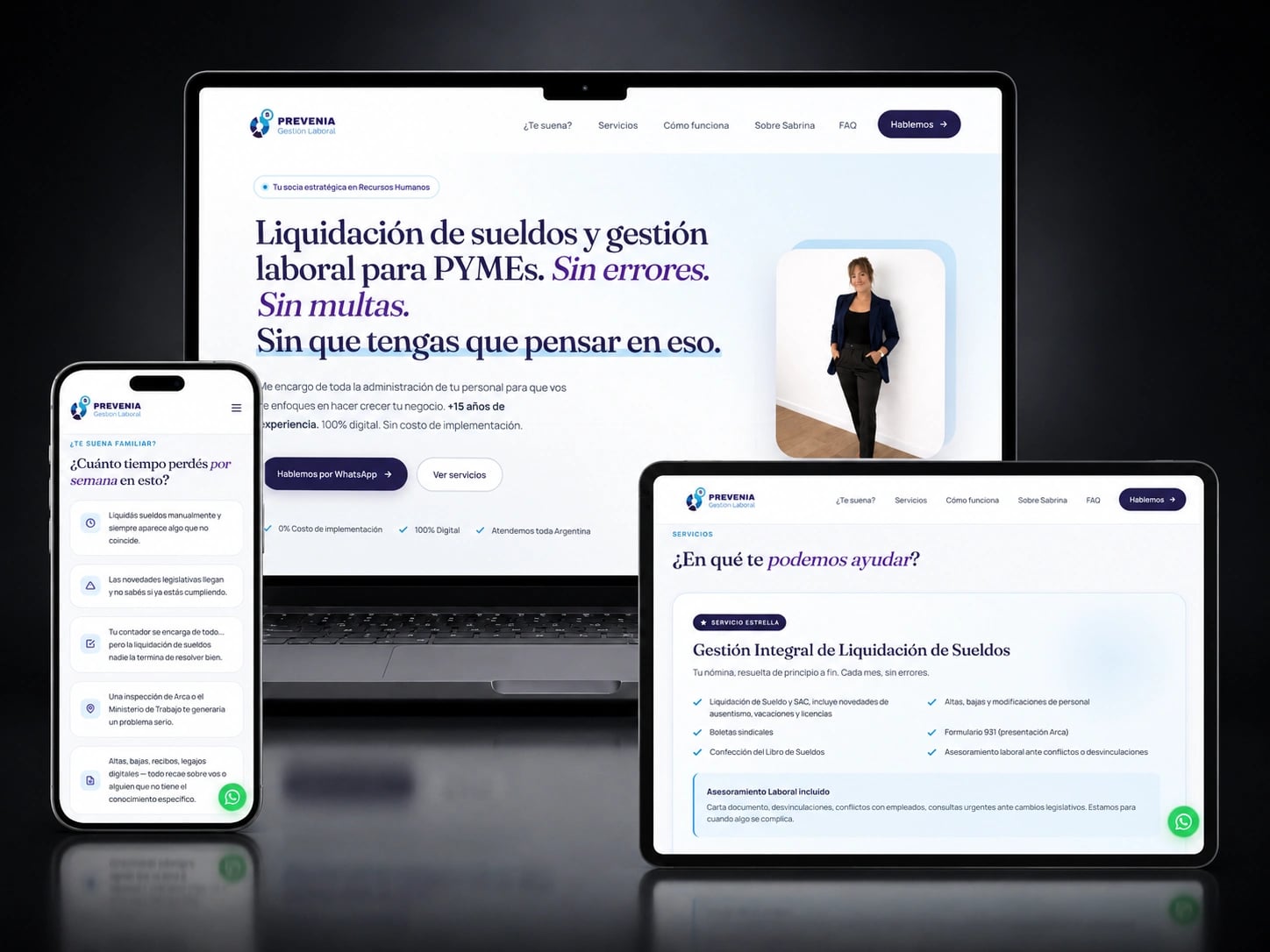
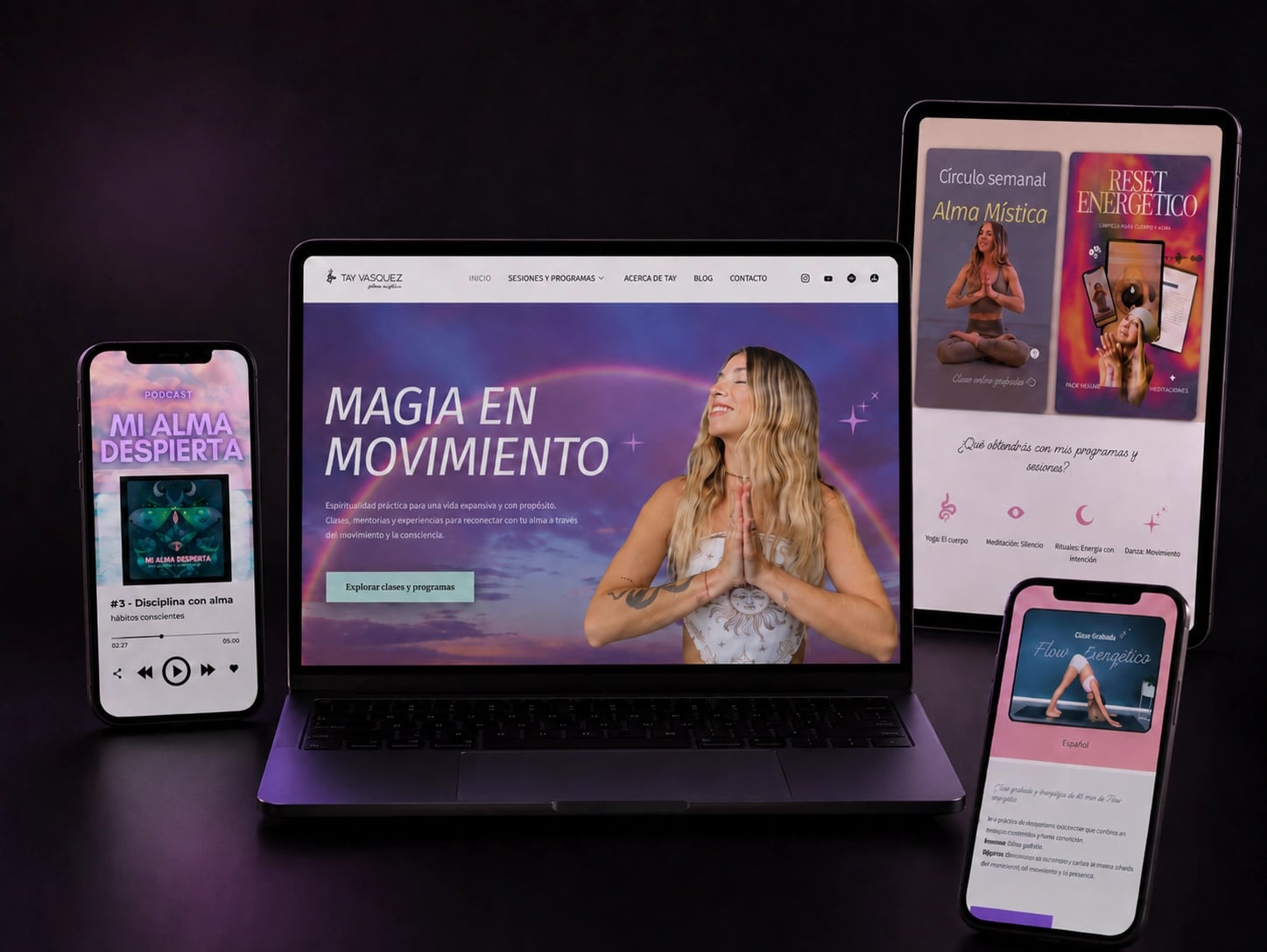
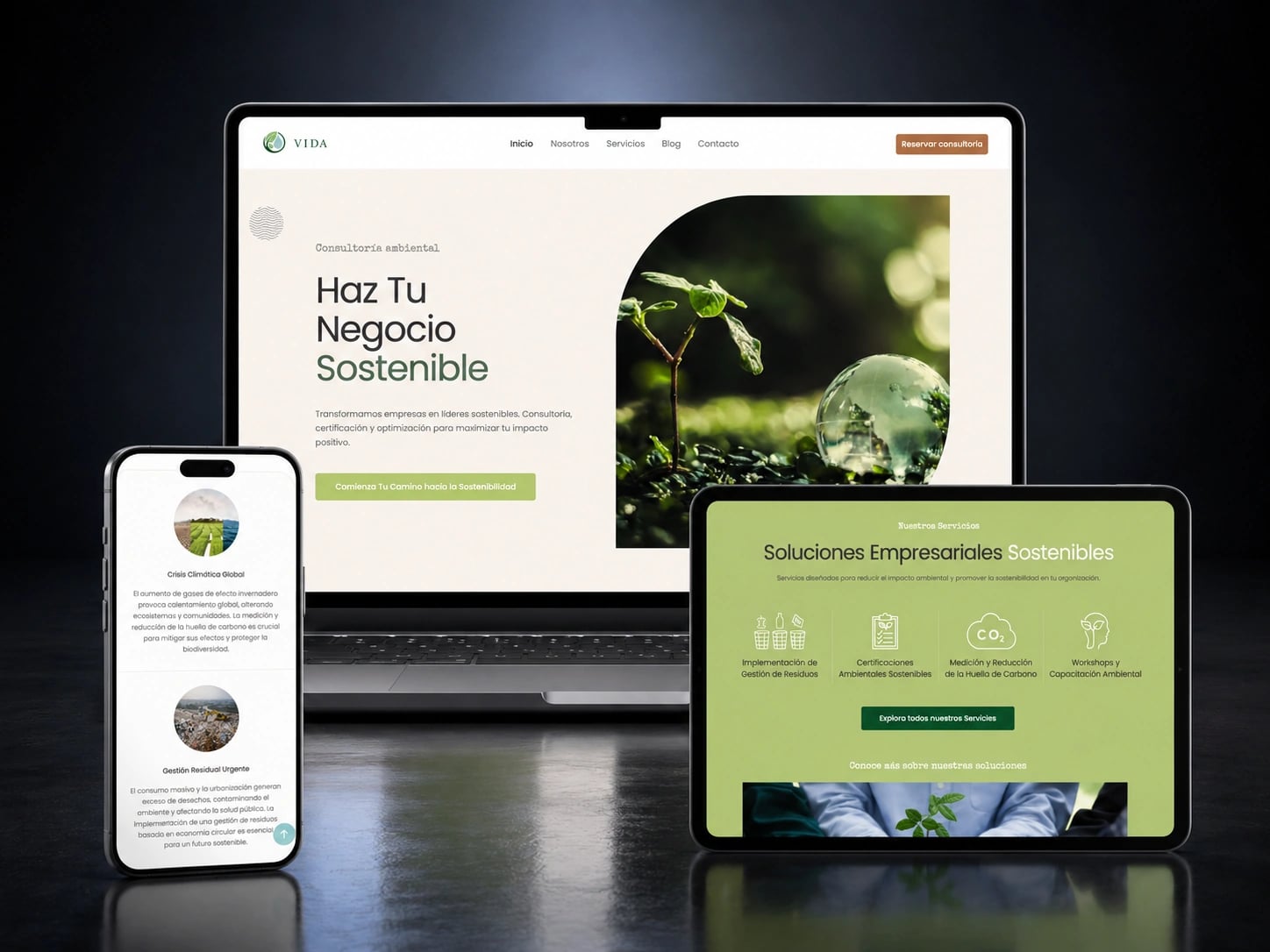
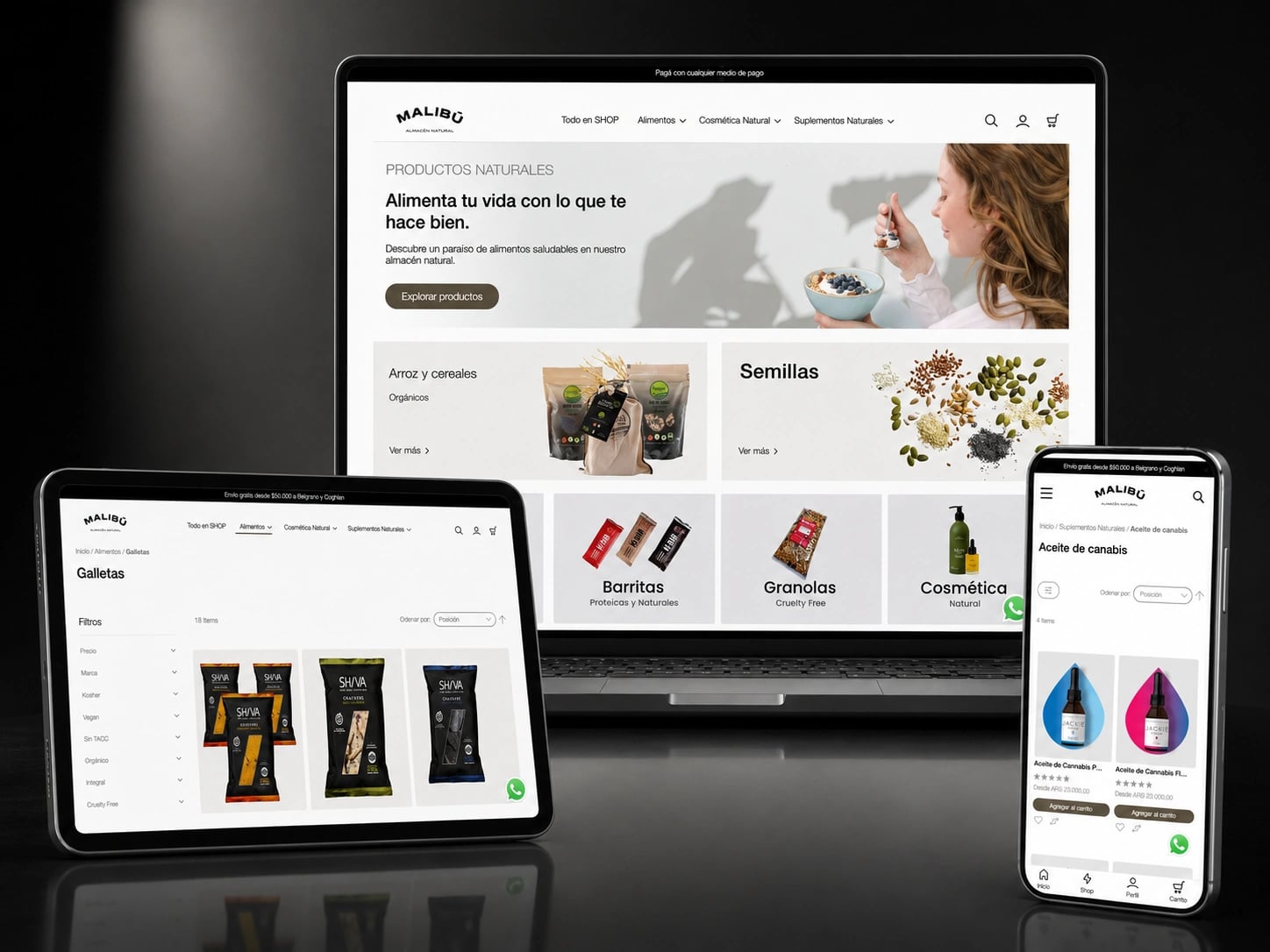
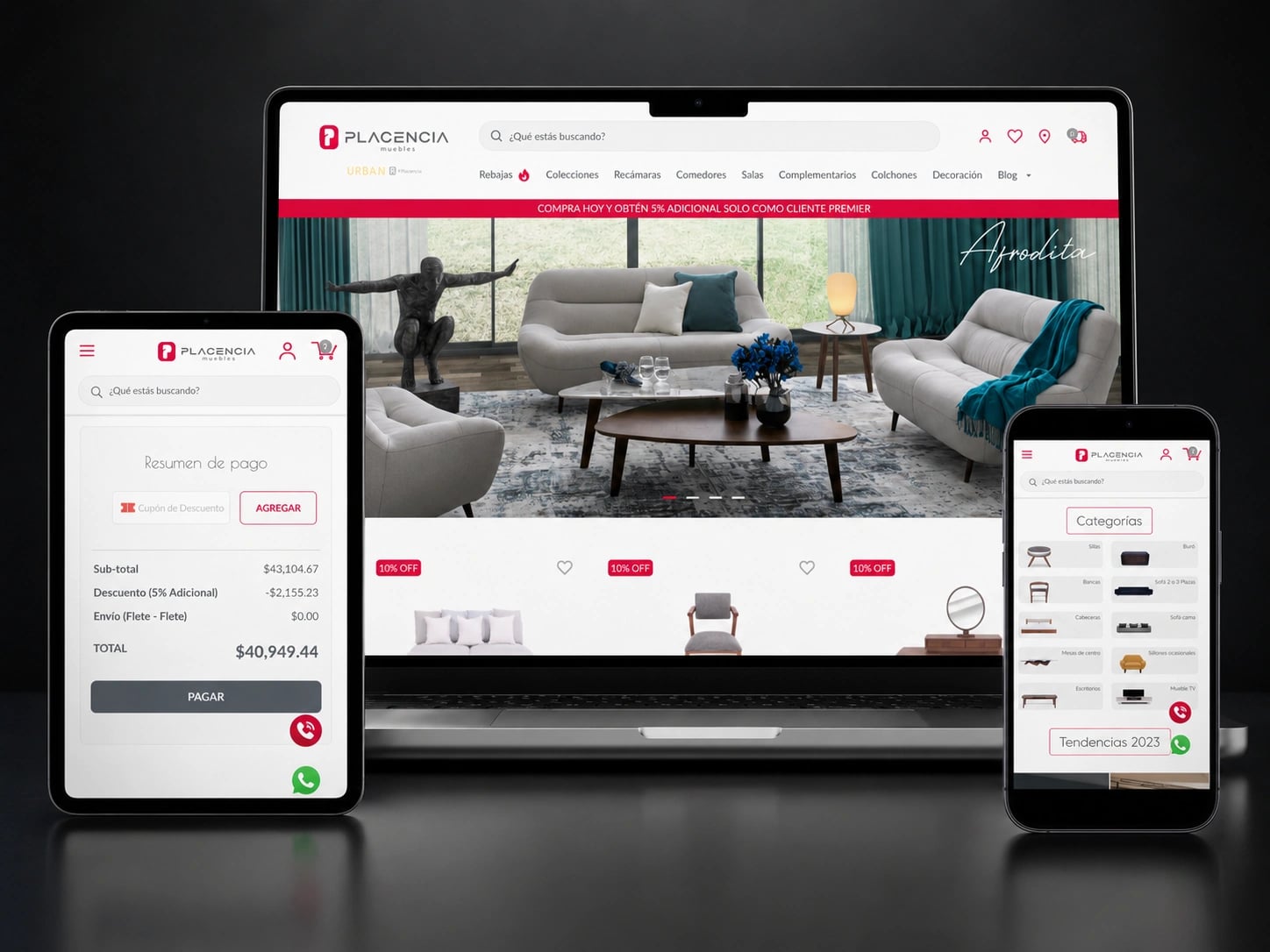
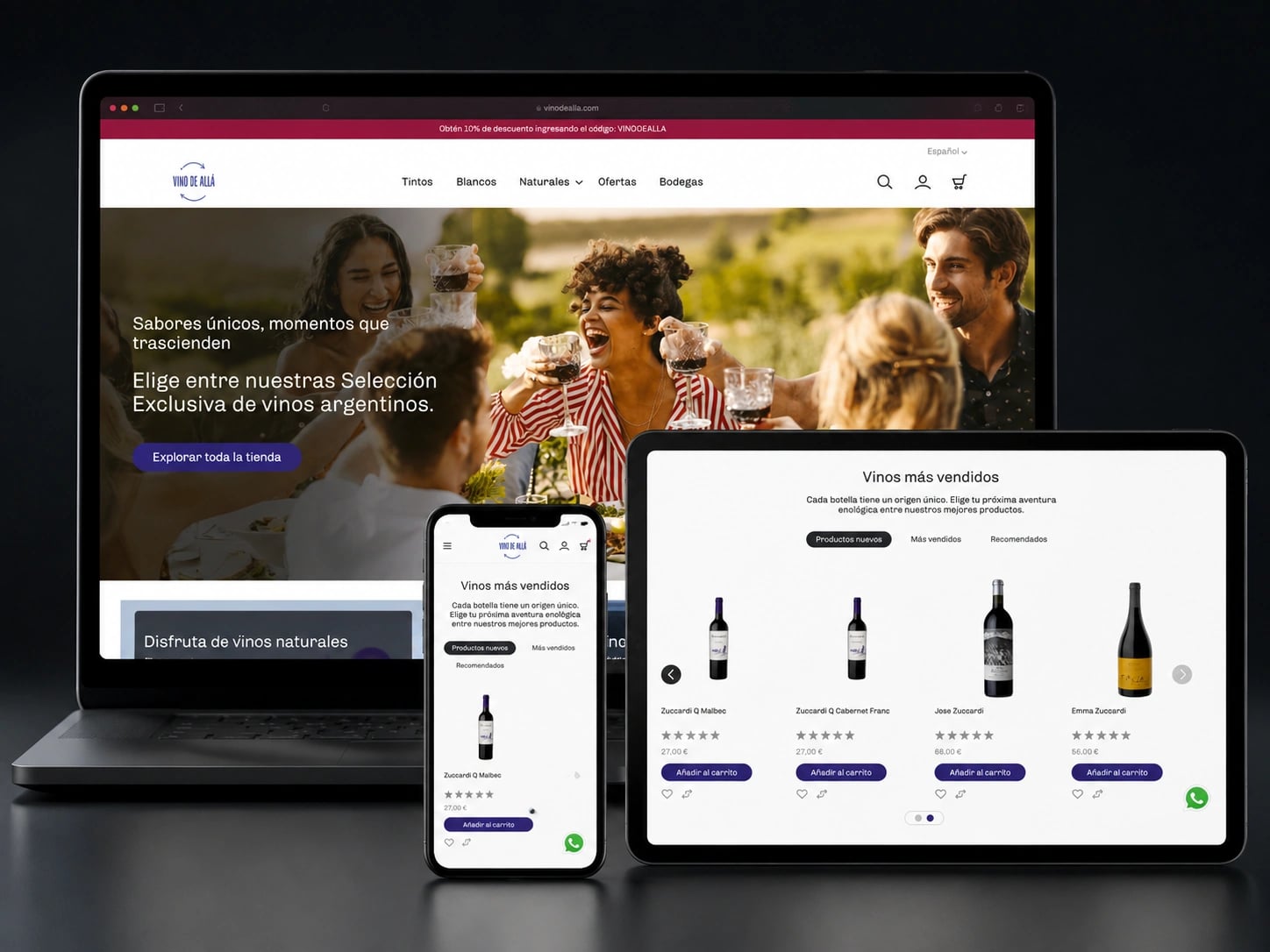
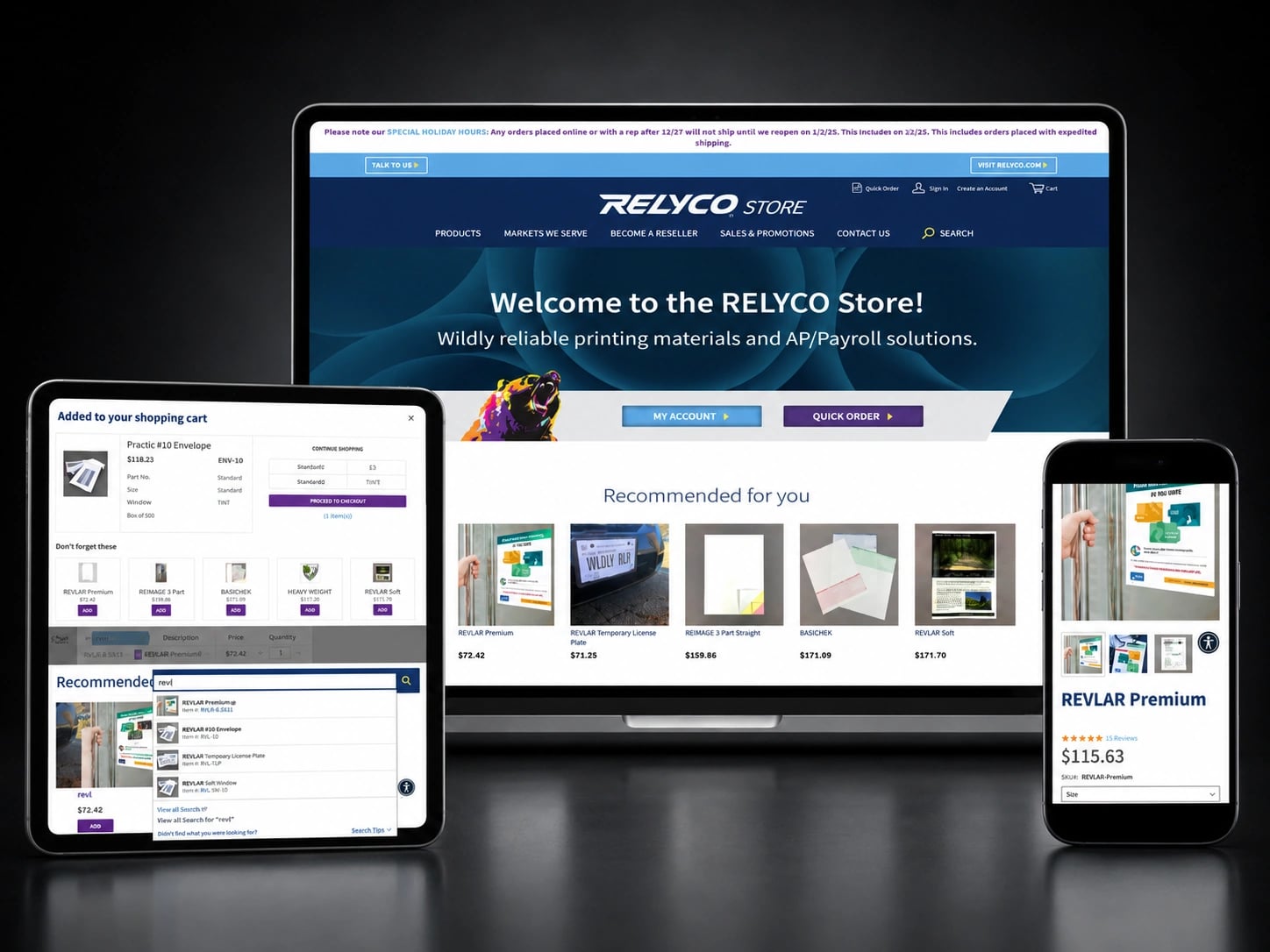
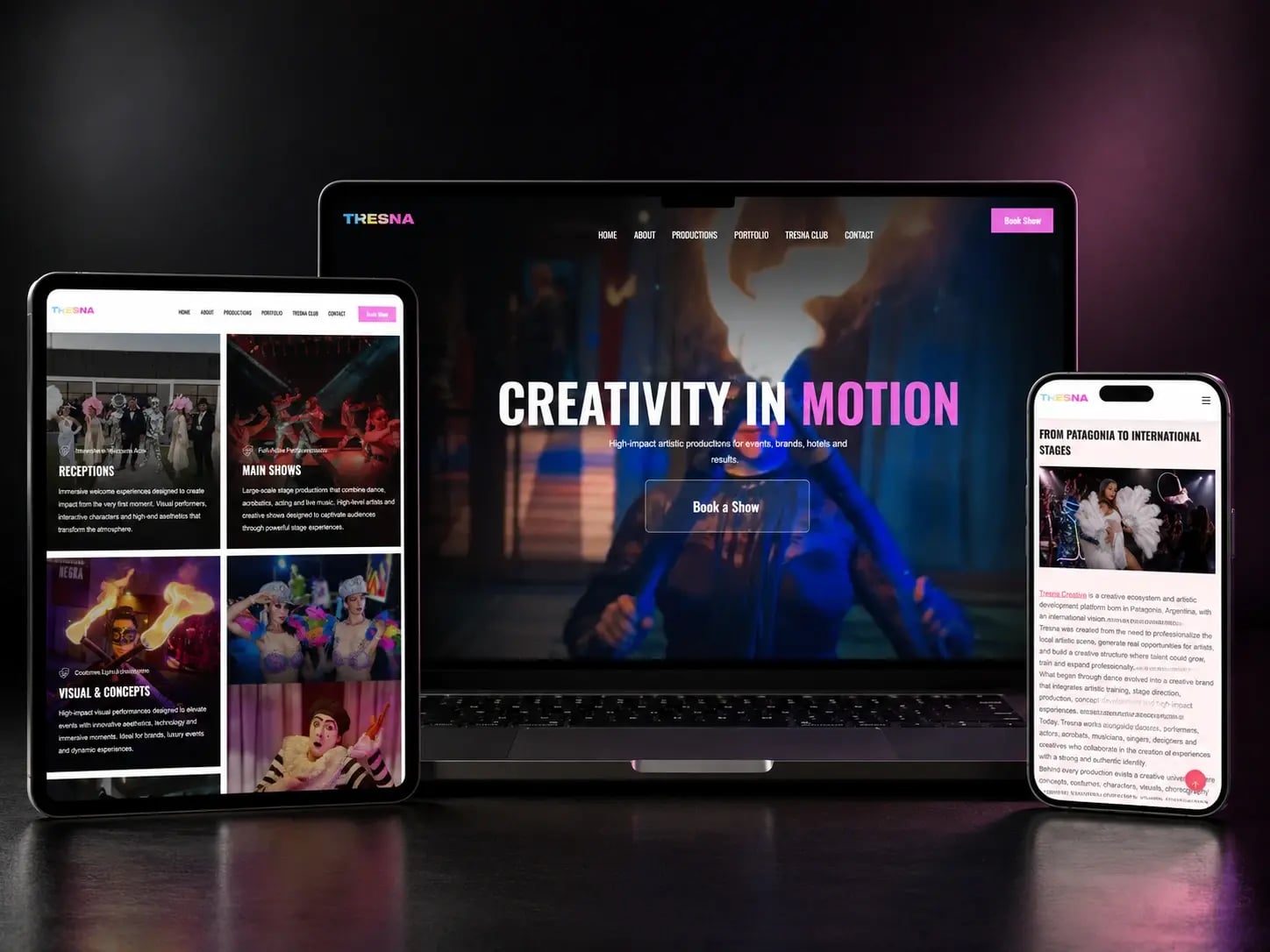
Featured Projects





The process
We map products, variants, pricing rules, integrations, current traffic and conversion, and define what the store must achieve commercially before anything is designed.
Category architecture, plugin selection, custom development scope, payment mix and hosting plan, decided up front so the build doesn't drift.
Product pages, category browsing, cart and checkout designed for buying decisions, implemented on current WooCommerce standards with performance budgets enforced.
Real payment tests, order flows, emails, stock sync, redirects and Core Web Vitals on real templates, all validated with a controlled deployment for a calm launch.
Post-launch monitoring, maintenance, conversion iterations and new features, or a clean handoff to your team if you prefer to operate the store yourselves.
WooCommerce Architecture & Growth
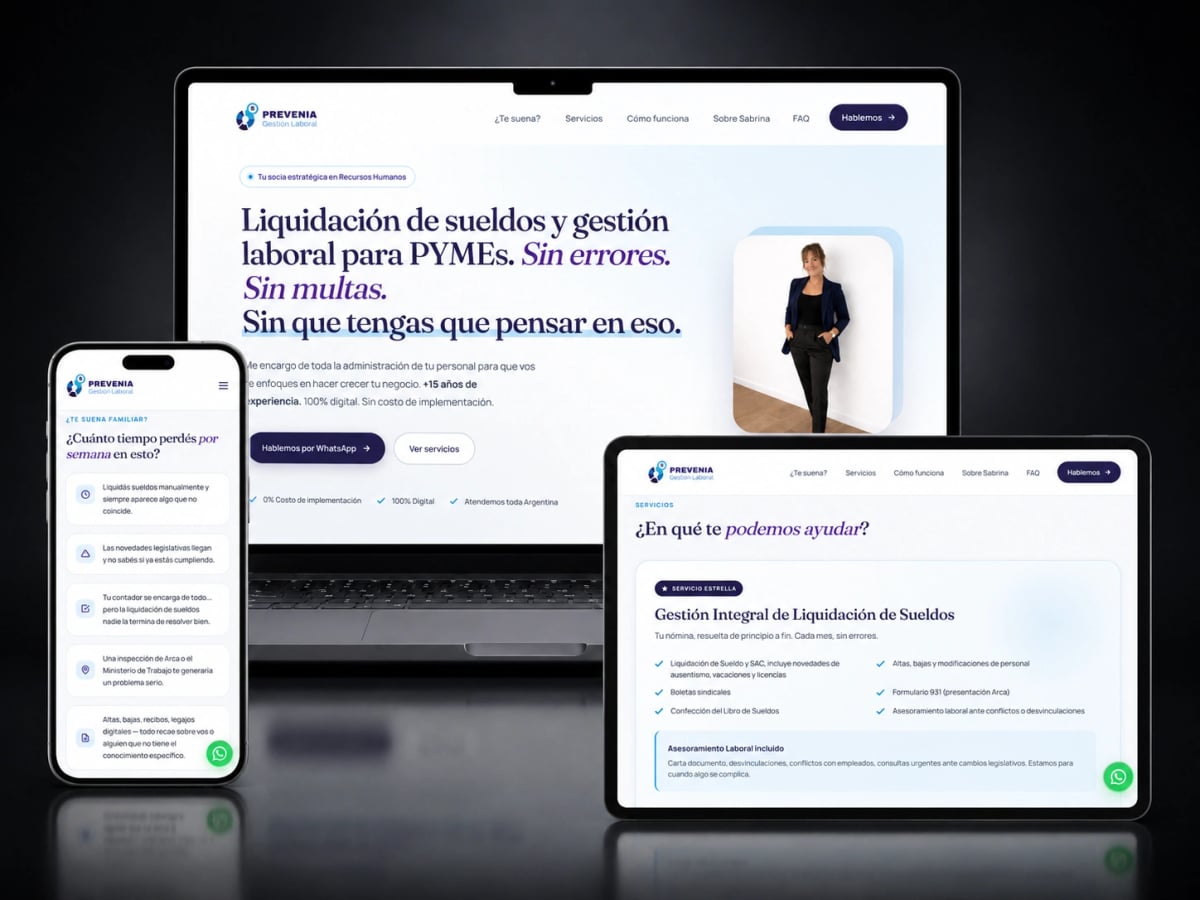
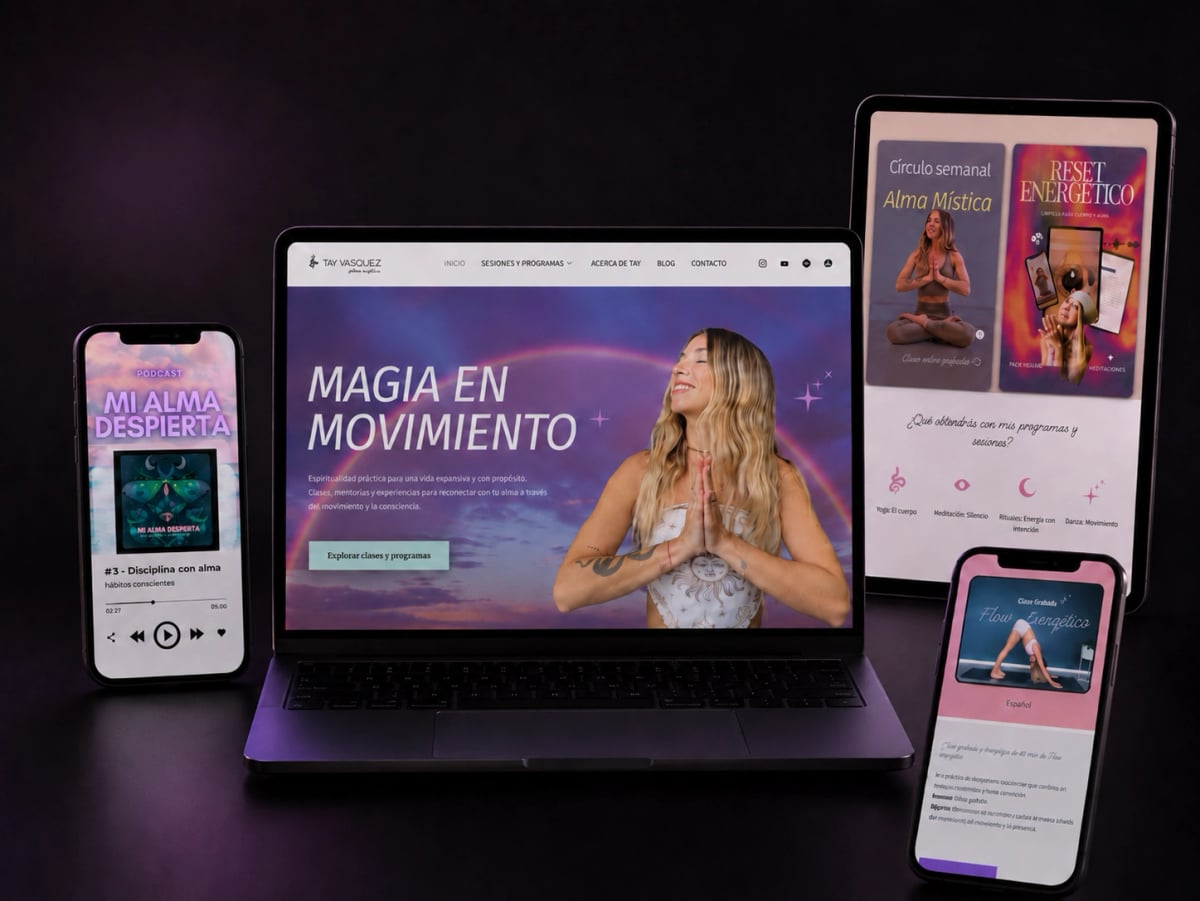
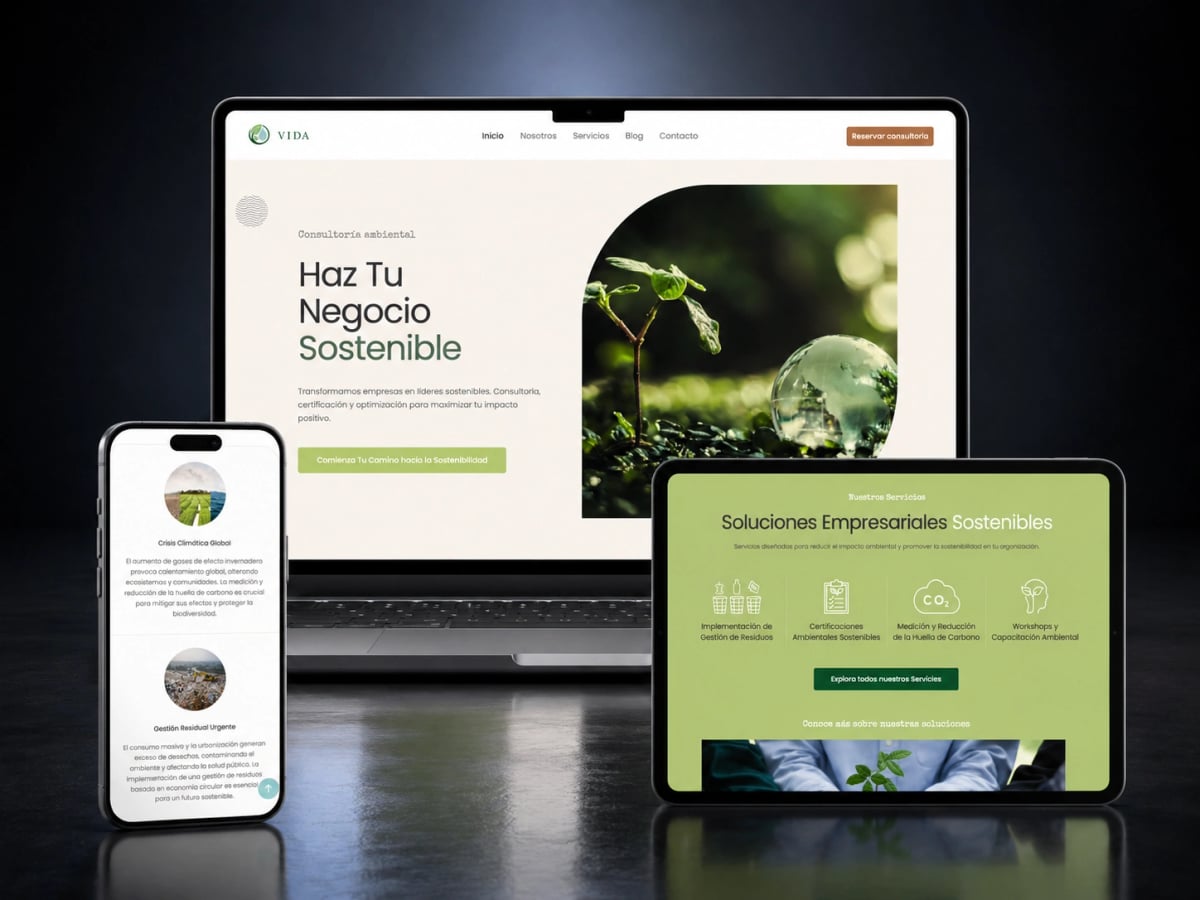
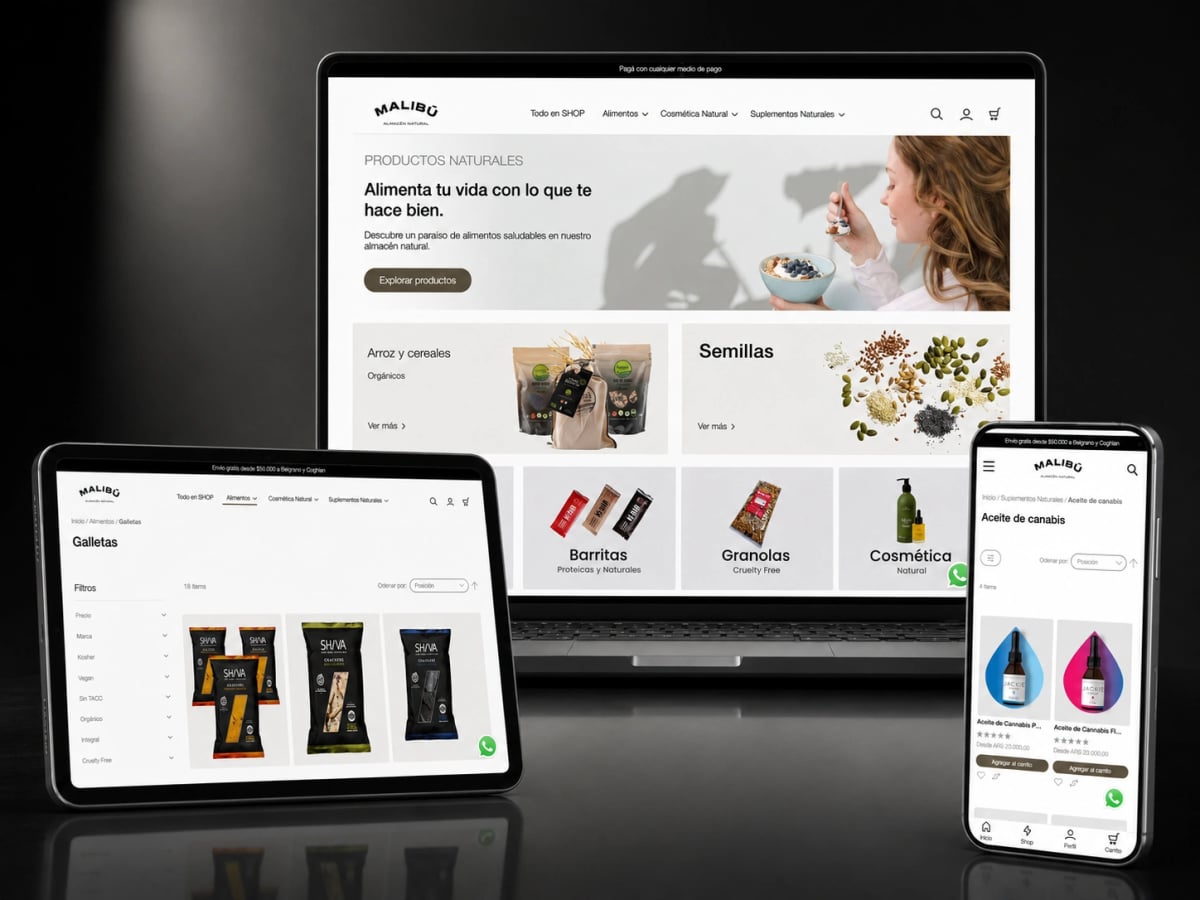
Tell us what you sell, where you sell it, and what is holding the store back. We will come back with a concrete plan and a fixed-scope proposal.